Showing posts with label Animals. Show all posts

Monday, April 25, 2011

Brown Recluse Spider Bite


Brown recluse spider bite is poisonous. The worst case scenario is that you can die because of its venom. It is even more dangerous than a rattlesnake's bite. The venom of this spider is toxic and can damage body cells and tissues. Although it can cause a lesser number of diseases compared to a rattlesnake bite, its venom is more potent.
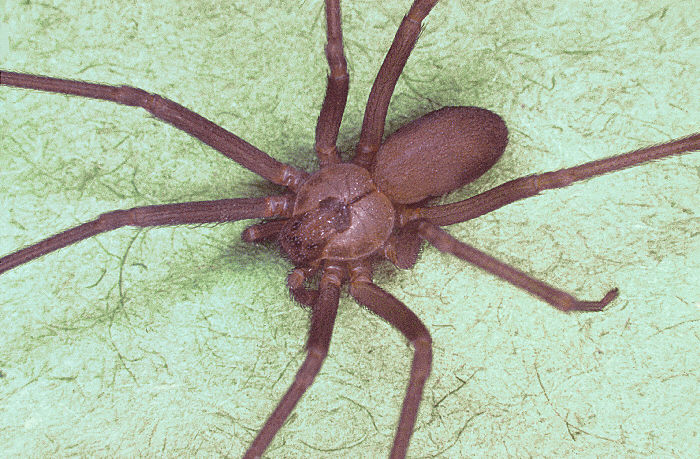
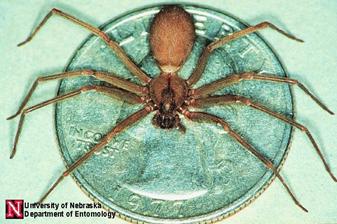
Brown Recluse spider Loxosceles reclusa Picture
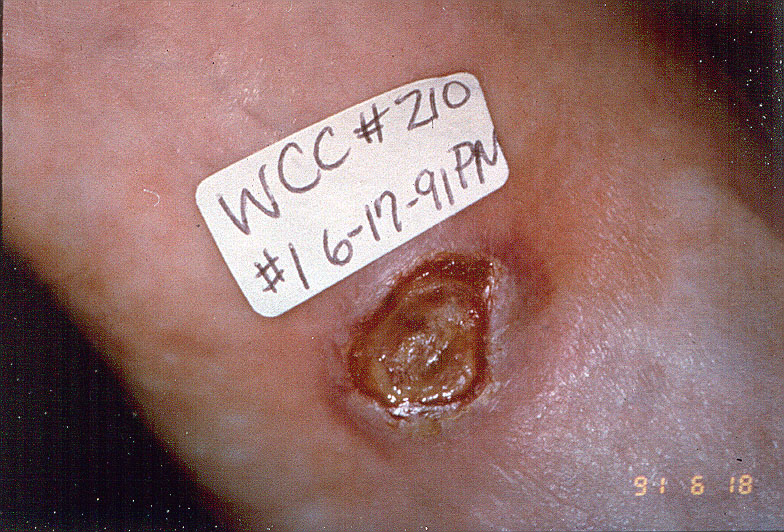
When this spider bites you, it will cause a noticeable skin lesion or a local injury. The bitten person will also experience various symptoms of its poisonous venom. The symptoms vary, depending on the amount of poison that is incurred by a bitten person and the sensitivity of that individual.
At first, the bite seems to be painless. Most people who are bitten by this type of spider swear that they feel nothing at all and are often unaware of the bite. But as soon as the bite becomes evident, in just a few hours, one can experience a variety of symptoms related to the poisonous bite.

Brown recluse spider venom

Brown Recluse Spider Bite
Recluse Loxosceles, a North American brown recluse spider and the Laeta Loxesceles, a South American brown recluse spider are the most fatal. Their venom contains enzymes that have great similarities to the poison found in snakes. These enzymes include protease, hyaluronidase, phosphohydrolase, phospholipase, alkaline phosphatase, and esterase.
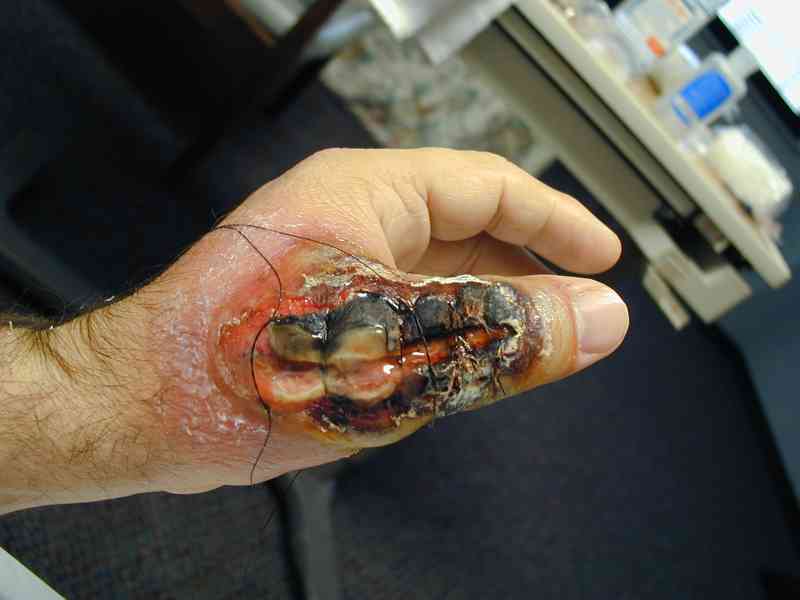
The poison may different from one recluse spider to another - it basically depends on their species. The fatality of the venom and symptoms of an individual also depends on how much of the poison has entered the body of the victim. Clinic cases of these bites are not major cases but there are also reports of coagulopatias and dermatonecrosis. Death is a rare result of the bite although this can happen to children victims. Some children who did not face death can possibly lost facial parts and may need plastic surgeries because of the serious damages the bite made on the victim's skin.
Here are a Few Brown Recluse Spider's Bite Pictures 
Brown Recluse Spider's Bite Picture


The Most Dangerous and Poisonous Spiders In the World

Almost all spiders posses venom, but only few are capable of causing any harm to humans. Most of the spiders use their venom to paralyze their prey and then devour it, while some use it against their predators for self defense. Let's have a look at some of the world's most poisonous spiders.
Spiders are air-breathing chelicerates, having external skeletons, eight legs and modified frontal portion of the mouth which can inject venom. Around 98% of the spiders, found across the globe are harmless, but the remaining 2% are potentially venomous or poisonous, and their bite can lead to serious symptoms, such as severe pain, swelling, nausea and even death. Some spiders posses neurotoxic venom, that affects the entire nervous system of the victim, while others posses necrotic venom, that induces damage to the tissues around the place of bite.
The World's Most Poisonous Spiders


Brazilian Wandering Spider Picture
Brazilian Wandering Spider: The Brazilian wandering spider, also known as the banana spider or armed spider, is a highly venomous species of spider, found in Central and South America. It belongs to the Ctenidae family of wandering spiders. During the day, they take shelter in termite mounds, fallen logs or rocks, while at night, they roam on the forest floors, instead of resting in a lair or a web. In a distinct display of warning to approaching danger, this spider raises its body in an erect position, lifting its two front legs high in the air, and sways its entire body from side to side. They constitute a large part of human deaths caused due to spider bites in the American continents. This creature, with highly toxic venom, is least reluctant to attack any living being, which appears threatening. Its venom contains PhTx3 neurotoxin, which hampers muscle control, causes difficulty in breathing and may even result in paralysis or asphyxiation. The Brazilian wandering spider was listed as the world's most venomous spider in the Guinness World Records 2007. 
Australian Funnel-web Spider
Australian Funnel-web Spider: The Australian funnel-web spider is a venomous spider belonging to the family of Hexathelidae. This species of spider is found in abundance on the eastern coast of Australia. Resembling the tarantulas, they are about 1 to 5 cm big, dark black or dark brown in color, and sport a glossy outer covering. Their large and strong fangs point straight downwards. These fangs are strong enough to penetrate through fingernails. The different toxins present in the venom of this spider are collectively termed as the Atracotoxins (ACTX). Though these toxins are harmless to wild animals, they are known to be extremely dangerous to humans. Initially the bite can be very painful because of its acidity and the size of the fangs, further leading to systematic envenoming. It can cause nausea, vomiting, facial muscle twitching, profuse sweating, excessive salivating etc. The victim may also experience shortness of breathing, confusion and hypertension. Further complications include hypotension and cerebral oedema, eventually leading to coma or even death. The venom is so powerful that it can cause death within a span of 15 minutes from its injection.


Black Widow Spider: pic


Black Widow Spider: The black widow spider is a highly venomous species of spider found in the United States. The black widow species is most often found in the southeastern regions of the United States, namely Florida, Texas and Oklahoma. The females are shiny black in color, and have a red or orange marking on the underside of their abdomen. The males are comparatively smaller in size. The female of the species displays an unusual concept of sexual cannibalism, wherein she kills the male species after mating. The female black widow's bites are believed to be very harmful for humans. Though these species are comparatively small in size, they posses extremely potent venom, consisting of latrotoxins, polypeptides, adenosine, insosine and 2,4,6-trihydroxypurine. This neurotoxic venom can cause severe pain, swelling, uneasiness and hypertension.


Brown Recluse Spider Pic
Brown Recluse Spider: The brown recluse spider, also known as the fiddleback spider or the violin spider, is a venomous spider native to the United States and Gulf of Mexico. Member of the Sicariidae family, they are usually brown or deep yellow in color. A black line coming from the dorsal side of its cephalothorax, appears like a violin with its neck pointing to the rear of the spider. Unlike other spiders which have four pairs of eyes, the brown recluse spider has 3 pairs of eyes, one median pair and two lateral pairs. These spiders generally take shelter among piles of food, closets, garages, cellars etc. Though rare, the bite of these species can be sometimes life threatening. Most of the fatalities recorded are either small children or individuals with weak immune system.


Redback Spider Picture
Redback Spider: The Redback spider found in Australia, is a member of the highly venomous widow family of spiders. Also known as Jockey spider or Kapara spider, it is considered to be the most dangerous species of spider found in Australia. The female species is black in color and sports a red stripe on its abdomen. The females are approximately 1 cm in length, while the males are comparatively smaller. Like the Black Widow Spider, the female Redback species, kill and consume the males after copulation. Female species are more aggressive, hence they constitute the majority cases of spider bites recorded among this species. The bite of Redback spider is known to produce a clinical syndrome called Latrodectism, which is caused by the neurotoxic venom that is injected when this spider bites. It causes extreme pain, swelling,headache, hypertension, excessive sweating and mild burning sensation. Though very rare, it can also lead to complications such as seizures, coma and respiratory failure.

Brown recluse spider venom

It is very important to have thorough knowledge about these creatures before you try to deal with them. Although small, they may posses venom enough to bring down an average human being.

Saturday, March 12, 2011

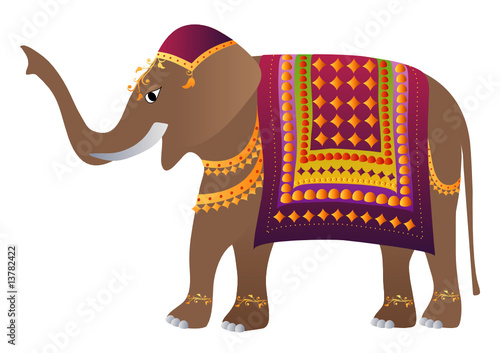
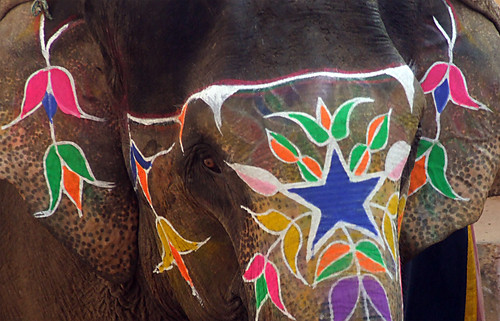
Decorated Indian Elephant

Decorated Indian Elephant

Wednesday, February 23, 2011

Latest Nature & Animal Wallpapers

amazing nature and animal wallpapers. nature is very beautiful and we all love to see good wallpapers of nature. we should work and also help those; who are working for maintain natural environment clean and safe. save nature and save our next generation.


Monday, February 21, 2011

Funny Animals 3D Wallpaper gallery


Second part of awesome 3d wallpaper devoted to funny animals is to your attention and appreciation! Hurry up to decorate your pc desktops with really funny 3d wallpaper available for you completely for free in high quality and resolution! Choose only best 3d wallpaper and enjoy viewing cute 3d animal images!
Number: 5
Format: jpg
Resolution:at least 1024×768

Sunday, February 20, 2011

Beautiful Reptiles wallpapers


They are wild and some of them are dangerous for human life. They are reptiles. Download vulturous 3d wallpaper computer desktop absolutely for free and create the atmoshere of panic at your home! All 3d computer backgrounds are of high quality and resolution.
Number: 10
Format: jpg
Resolution: 1024×768, 1600×1200

Great wallpapers of animals


Marvelous collection of animals 3d wallpaper on your desktop! Wild animals and domestic pets 3d wallpaper 1024×768 is your right choice for decorating your computer background! Enjoy free download! For animals’ lovers only!